

Many renters assume their landlord's insurance policy protects their personal belongings, but that's usually not the case. A landlord's policy generally covers the building itself, while renters insurance helps protect your personal property, provides liability coverage, and may even help with temporary living expenses after a covered loss.
Whether you rent an apartment, condo, townhouse, or single-family home, having the right renters insurance policy can provide valuable financial protection. The good news is that renters insurance is often one of the most affordable types of insurance available.
By making a few smart adjustments, you can improve your coverage and make sure your policy keeps pace with your needs.
Understand What Renters Insurance Covers
Before improving your policy, it's important to understand what renters insurance typically includes. Most policies offer protection for personal belongings, personal liability, additional living expenses, and medical payments coverage.
If a covered event such as fire, theft, vandalism, or certain types of water damage occurs, your policy may help pay to repair or replace damaged property.
Many renters are surprised to learn that renters insurance can also provide liability protection if someone is injured in their home or if they accidentally cause damage to another person's property.
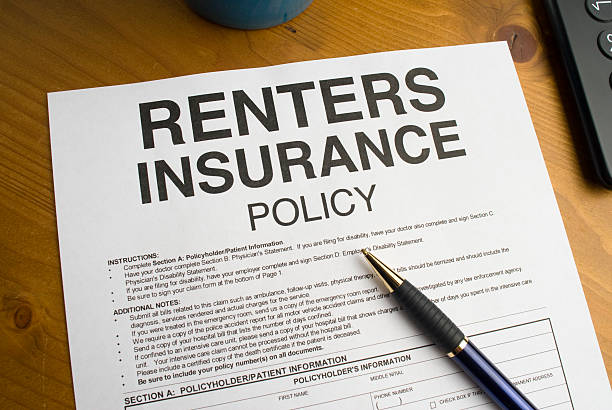


Calculate the Value of Your Belongings
One of the most common mistakes renters make is underestimating the value of their personal property. Furniture, electronics, clothing, appliances, jewelry, and household items can add up quickly.
Creating a home inventory can help determine how much coverage you actually need. Walk through your home and document major belongings using photos, videos, receipts, or a spreadsheet.
This inventory can also make the claims process easier if you ever experience a covered loss.
Consider updating your inventory annually to account for new purchases and valuable items you acquire over time.
Choose the Right Coverage Limits
Coverage limits should reflect the value of your belongings and your overall financial situation. Selecting limits that are too low could leave you paying out of pocket after a major loss.
Review both personal property coverage and additional living expense coverage. If your rental becomes temporarily uninhabitable after a covered event, additional living expense coverage may help pay for hotel stays, meals, and temporary housing.
You should also understand whether your policy provides actual cash value coverage or replacement cost coverage.
- Actual Cash Value: Pays the depreciated value of damaged items.
- Replacement Cost: Pays the cost to replace items with similar new items.
Many renters prefer replacement cost coverage because it generally offers stronger financial protection.
Strengthen Liability Protection
Liability coverage is often overlooked, yet it can be one of the most valuable parts of a renters insurance policy. If someone is injured in your rental unit or if you accidentally damage someone else's property, liability coverage may help pay legal costs, settlements, and medical expenses.
Increasing liability limits is often relatively affordable and can provide additional financial security.
Pet owners should also review liability coverage carefully, especially if they own breeds that may have special insurance requirements.
Understanding your liability protection can help you avoid costly surprises if an accident occurs.
Look for Discounts and Extra Benefits
Many insurance companies offer discounts that can help lower premiums. Common opportunities include bundling renters insurance with auto insurance, maintaining a claims-free history, and installing safety devices such as smoke detectors, security systems, or deadbolt locks.
Ask your insurer about available discounts and compare quotes from multiple providers before purchasing coverage.
You should also review optional endorsements for high-value items such as jewelry, collectibles, musical instruments, or expensive electronics. Standard policies may have limits on certain categories of property.
Review and Update Your Policy Regularly
Your insurance needs can change as your lifestyle changes. New purchases, moving to a different rental property, getting married, or adding roommates can affect your coverage needs.
Review your policy annually and update coverage limits whenever significant changes occur. Regular reviews help ensure your protection remains accurate and adequate.
Keeping policy documents organized and maintaining an updated inventory can also help streamline future claims.
A well-maintained renters insurance policy can provide valuable peace of mind while protecting your finances from unexpected events.

Final Thoughts
Smart renters insurance planning goes beyond finding the lowest premium. By understanding your coverage, creating a home inventory, selecting appropriate limits, strengthening liability protection, and reviewing your policy regularly, you can build stronger financial security and greater peace of mind.
The right renters insurance policy can help protect your belongings, your finances, and your future when unexpected events occur.
Frequently Asked Questions (FAQs)
1. What does renters insurance cover?
Most policies cover personal belongings, liability protection, medical payments, and additional living expenses after covered losses.
2. Does renters insurance cover theft?
Yes, most policies provide coverage for theft of covered personal belongings.
3. Is renters insurance required by law?
It is usually not required by law, but many landlords require tenants to carry coverage.
4. How much renters insurance do I need?
The amount depends on the value of your belongings and your liability protection needs.
5. What is a home inventory?
A home inventory is a record of your belongings that helps determine coverage needs and supports insurance claims.
6. Does renters insurance cover roommates?
Typically, roommates need their own policies unless specifically listed on the same policy.
7. What is replacement cost coverage?
It helps pay the cost of replacing damaged items with similar new items rather than their depreciated value.
8. Can renters insurance cover temporary housing?
Yes, many policies include additional living expense coverage after covered losses.
9. How can I lower my renters insurance premium?
You may qualify for discounts by bundling policies, installing safety devices, or maintaining a claims-free history.
10. How often should I review my renters insurance policy?
Review your policy annually and after major life changes or significant purchases.